.svg)
Top Employee Onboarding Software for 2026: The Ultimate Solution


In 2026, the way businesses onboard new employees will never be the same. Traditional, outdated methods are no longer effective for the modern workforce. With remote teams, hybrid work environments, and global talent pools, employee onboarding software has become a game-changer for companies striving to deliver a seamless, engaging experience from day one.
But with so many options flooding the market, how do you choose the best employee onboarding software that will meet your company’s unique needs? The solution lies in smart, intuitive platforms that not only streamline administrative tasks but also engage and inspire new hires, setting them up for success from the start.
In this article, we’ll explore the top employee onboarding tools of 2026.
Key Takeaways
- Onboarding software helps HR teams automate administrative tasks, from document collection to compliance training, saving time and reducing manual errors.
- Employee engagement improves with personalized, mobile-friendly onboarding that ensures new hires receive relevant content tailored to their role, helping them feel welcomed and productive from day one.
- Real-time analytics allow HR teams to track progress and adjust onboarding as needed, improving efficiency and ensuring new hires are completing tasks on time.
- Compliance tracking is streamlined with automated document management, ensuring that necessary forms and training are completed on time, reducing the risk of non-compliance.
- Investing in onboarding software reduces turnover rates by offering a better employee experience, enhancing engagement and job satisfaction, and helping employees feel valued and connected.
What Is Employee Onboarding Software?
Employee onboarding software is a digital solution designed to simplify and streamline the process of welcoming and integrating new employees into an organization. This software automates various HR tasks involved in onboarding, such as document submission, training, and compliance tracking, making the experience smoother and more engaging for both HR professionals and new hires.
How Does Employee Onboarding Software Differ from Traditional HR Systems?
While traditional HR systems (like HRIS and ATS platforms) handle hiring and payroll, employee onboarding software focuses solely on the pre‑employment and first-day-to-week process. Here's how onboarding software stands apart:
1. Onboarding-specific functions: Traditional HR systems manage employee data and hiring, whereas onboarding software focuses on setting the tone for new hires, ensuring they are equipped with everything they need for day one.
2. Customizable Onboarding Experiences: Unlike traditional systems that often provide a one-size-fits-all approach, onboarding software allows companies to create customized workflows and experiences tailored to each role, department, and individual.
3. Seamless Integration with Other HR Tools: Employee onboarding software typically integrates seamlessly with your HRIS, payroll systems, and communication tools, ensuring that onboarding data is transferred across systems without manual entry.
4. Enhanced Engagement: Onboarding software provides interactive elements such as checklists, video tutorials, and engagement surveys, keeping new hires engaged and informed. Traditional methods may lack this level of engagement, leaving employees to figure things out on their own.
Now that we understand what employee onboarding software is and how it can benefit HR teams, let's explore the best tools available in 2026 that can help streamline your onboarding processes and provide a seamless experience for new hires.
Also Read: 10 Effective Communication Strategies for Managing Enterprise-Wide Crises
Best Onboarding Solutions for 2026 to Enhance Employee Engagement
HR leaders are turning to onboarding platforms that automate admin work, centralize tasks, and support collaboration across teams. Below is a detailed look at the best employee onboarding software solutions in the market for 2026.
1. Udext
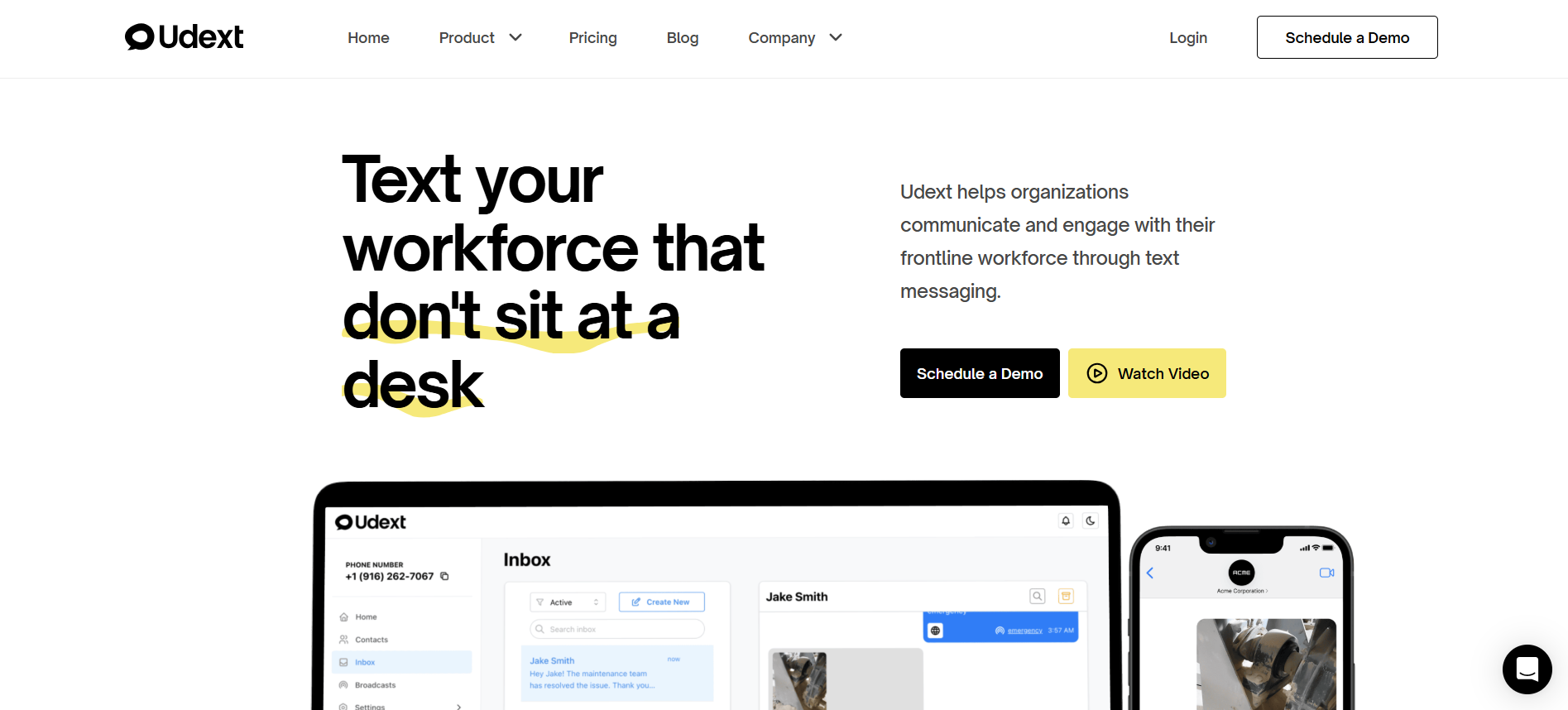
Udext is designed for industries with mobile workforces, offering a mobile-first, SMS-based solution that bypasses the need for apps, email, or traditional desktop systems. With 83% of non-desk workers lacking consistent access to email, Udext fills this gap by enabling businesses to communicate, onboard, and engage employees effectively, right from their mobile phones.
This makes Udext an ideal onboarding solution for field-based teams and frontline workers, who often struggle with outdated, app-dependent platforms.
Best for: Companies with non-desk employees, frontline workers, or remote teams in industries like construction, manufacturing, and healthcare, where employees are often mobile and don’t have access to email or desktop computers.
Key Features and Benefits:
- SMS-Based Onboarding: Employees can complete onboarding tasks via text messages, eliminating the need for apps or emails. This leads to higher engagement rates and faster task completion for mobile and frontline workers.
- Real-Time Alerts & Notifications: Send instant updates on company policies, safety alerts, and task completion reminders directly to employees' phones. This ensures that employees stay informed and engaged, improving responsiveness and compliance.
- Customizable Onboarding Workflows: HR teams can create personalized onboarding journeys for each role and department, ensuring that new hires receive relevant content and training specific to their job. This reduces time-to-productivity and enhances employee retention.
- Automated Compliance & Document Management: Easily track and manage critical documents like tax forms and training certifications, with automated reminders for compliance tasks. This helps businesses stay compliant while saving time on manual follow-ups.
- Employee Feedback Collection: Collect real-time feedback from new hires via SMS surveys or quick polls, helping HR teams refine the onboarding experience and increase overall employee satisfaction.
- Multilingual Support: With one-click translation, Udext ensures that non-English speaking employees can onboard seamlessly, making the process inclusive and accessible for diverse teams.
- Analytics & Reporting: Track the progress of new hires in real-time with detailed analytics dashboards, allowing HR teams to optimize the onboarding process and identify areas for improvement.
How Udext Solves the Challenges of Employee Onboarding for Mobile and Non-Desk Employees:
Udext eliminates the barriers of traditional onboarding tools by using SMS technology, ensuring that onboarding tasks can be completed easily and efficiently on mobile devices. With real-time updates, custom workflows, compliance automation, and the Udext Sequence to keep everything on track, Udext helps HR professionals save time, reduce manual processes, and engage employees in industries where traditional systems fail.
2. BambooHR
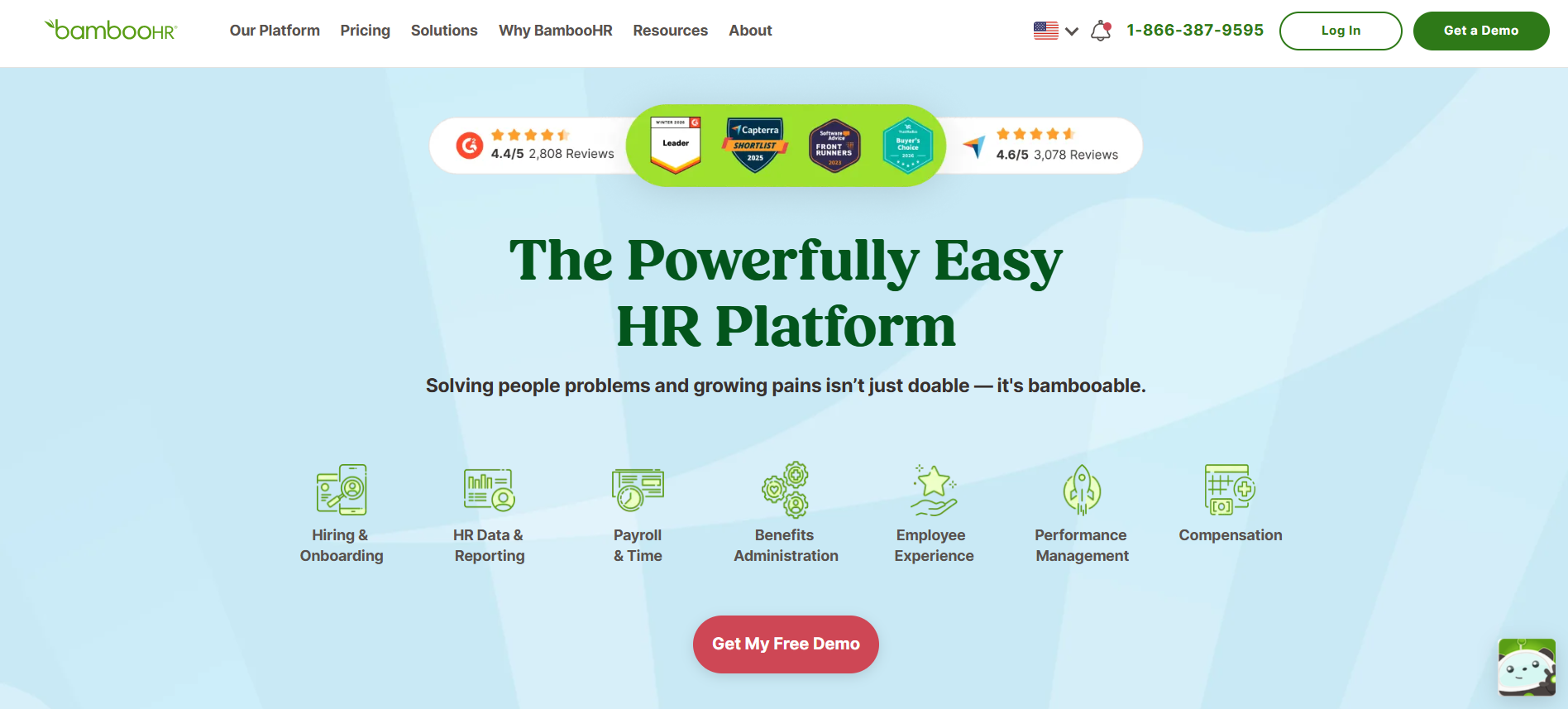
- Best for: Small to mid‑sized companies that want an all‑around HR platform with strong onboarding.
- Why it stands out: BambooHR combines onboarding with core HR features like employee records, e‑signatures, and task automation, making it easy to manage everything from onboarding checklists to document collection in one place.
- Ideal use case: Teams that need simple onboarding workflows with consistent processes and minimal setup.
Key Features:
- Custom checklists and task management
- E‑signatures for contracts and documents
- Employee self‑service portals for easy data entry
- Performance tracking and goal setting integration
- Automated reminders for new hire tasks
3. Rippling
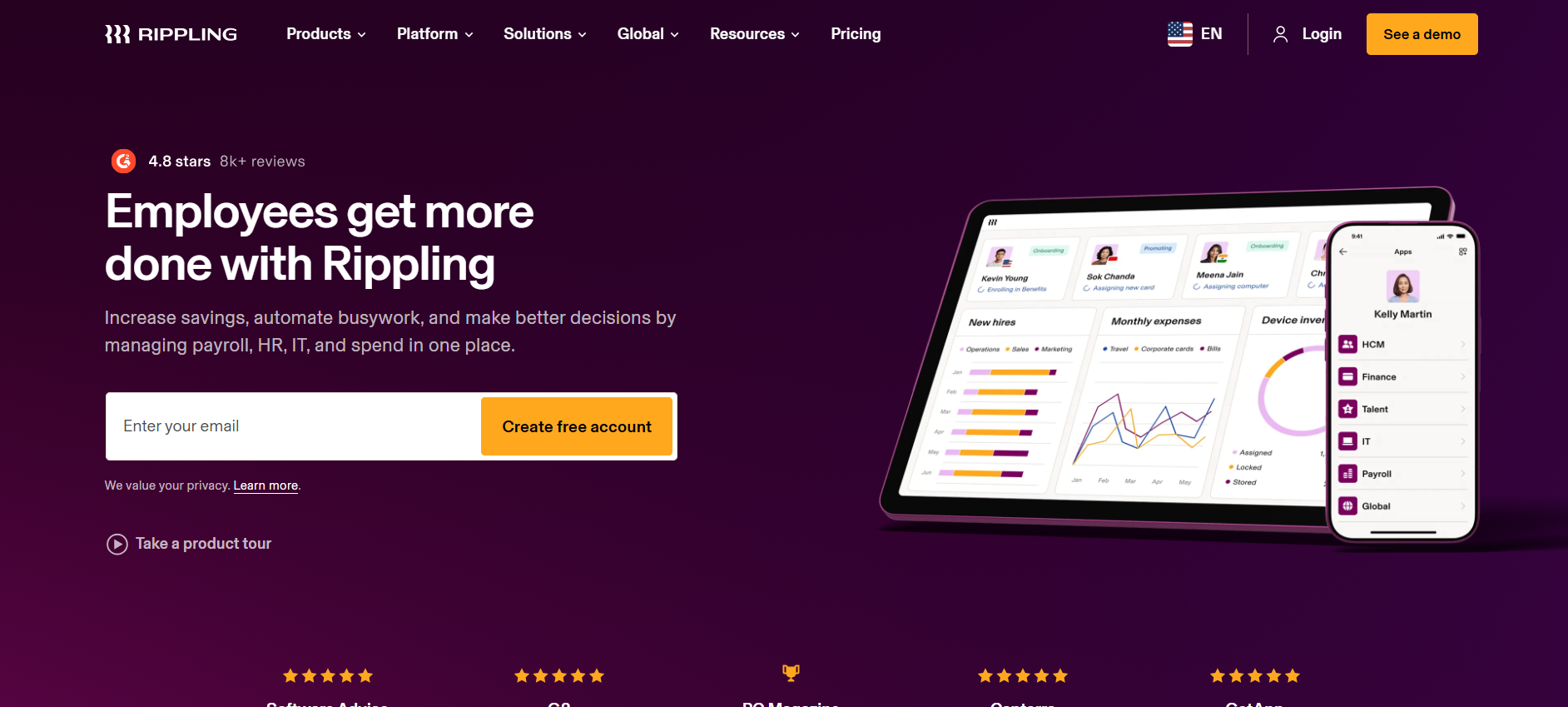
- Best for: Organizations that need onboarding to trigger IT provisioning and access management automatically.
- Why it stands out: Rippling goes beyond HR tasks; it automates onboarding across IT systems too (e.g., account creation, device access, app provisioning), reducing friction for hybrid and remote teams.
- Ideal use case: HR teams collaborating with IT to ensure new hires are ready with accounts, tools, and access on day one.
Key Features:
- Cross-platform integration (HRIS + IT tools)
- Automatic device and app provisioning
- Workflow automation for HR and IT departments
- Custom onboarding tasks for different departments
- Real-time reporting and analytics
4. Enboarder
- Best for: Companies prioritizing employee engagement and personalization.
- Why it stands out: Enboarder emphasizes experience over just automation, enabling HR to design role‑specific onboarding journeys with engagement activities, scheduled interactions, and workflow customization.
- Ideal use case: Organizations that want onboarding to feel human‑centered and tailored rather than just transactional.
Key Features:
- Customizable onboarding journeys and workflows
- Role-based paths for different departments
- Engagement tools like interactive surveys and activities
- Personalized messaging to new hires
- Continuous feedback collection and insights
5. WorkBright
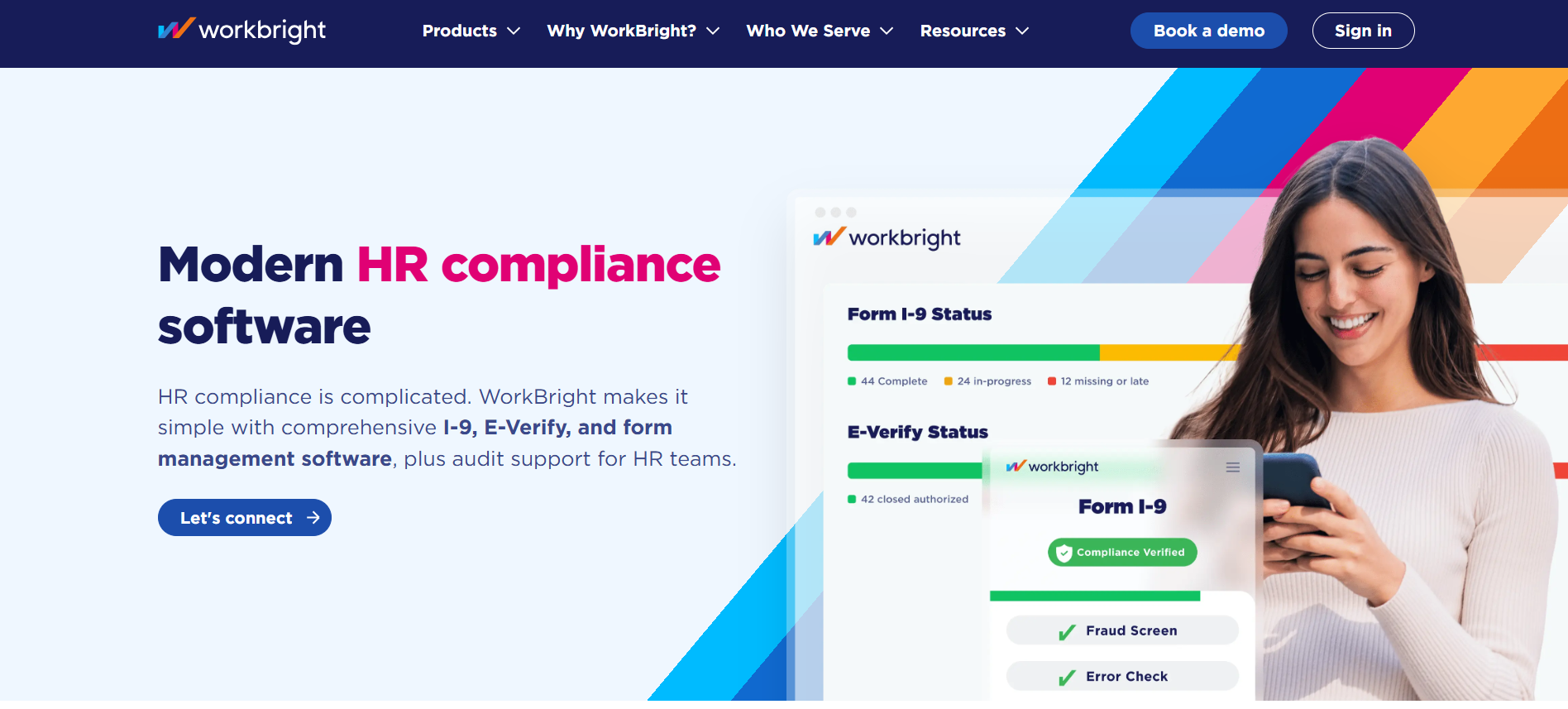
- Best for: Distributed workforces and companies with remote or field employees.
- Why it stands out: WorkBright lets new hires complete onboarding steps from any device before their first day, eliminating paperwork delays and in‑office dependencies.
- Ideal use case: HR teams that need onboarding tasks (forms, compliance docs, ID verification) done asynchronously.
Key Features:
- Mobile-first onboarding for easy access from anywhere
- Remote document submission and e‑signatures
- Compliance and tax form management (W-4, I-9)
- Digital verification of new hire documents
- Automated reminders for task completion
6. GoCo – Simple Onboarding with Compliance Support
- Best for: Small businesses that want onboarding integrated with benefits and compliance.
- Why it stands out: GoCo combines onboarding automation with compliance and HR administration in a user‑friendly interface. It’s ideal for teams that need a straightforward setup and a minimal learning curve.
- Ideal use case: HR teams looking for clear checklists and compliance workflows without complex configurations.
Key Features:
- Custom task management and onboarding workflows
- Built-in compliance tracking (e.g., I-9, W-4)
- Benefits enrollment integrated with onboarding
- Automated reminders for missing paperwork
- Real-time progress tracking for HR teams
7. HR Cloud
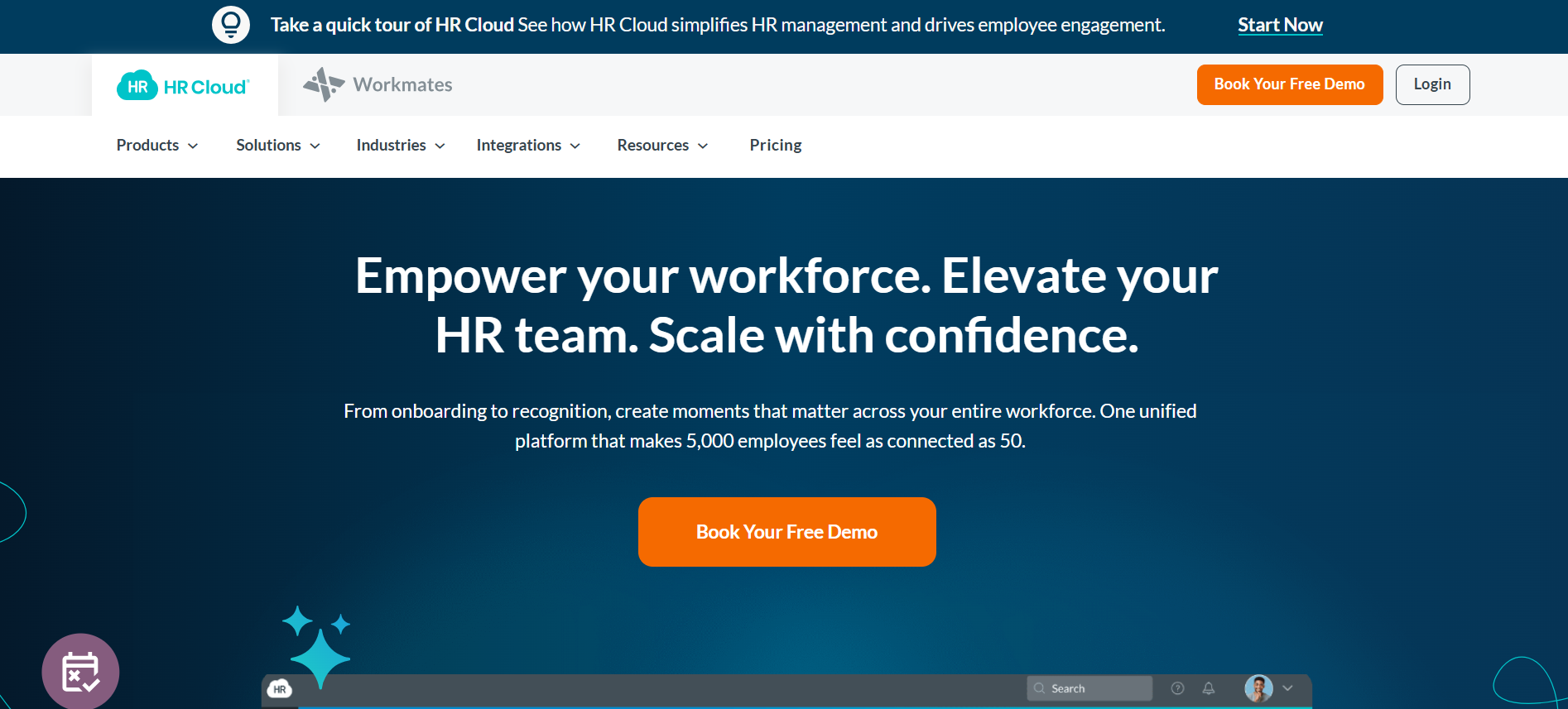
- Best for: Companies seeking onboarding that feeds into ongoing employee engagement and analytics.
- Why it stands out: HR Cloud emphasizes employee experience with features like social onboarding, engagement tracking, and insights that help HR fine‑tune the process over time.
- Ideal use case: Teams that see onboarding as the start of the broader employee lifecycle, not just a checklist.
Key Features:
- Social onboarding tools for team introductions and collaboration
- Engagement tracking with analytics dashboards
- Customizable onboarding workflows and email campaigns
- Employee self‑service portal for document management
- Automated reminders and task progress tracking
8. ADP
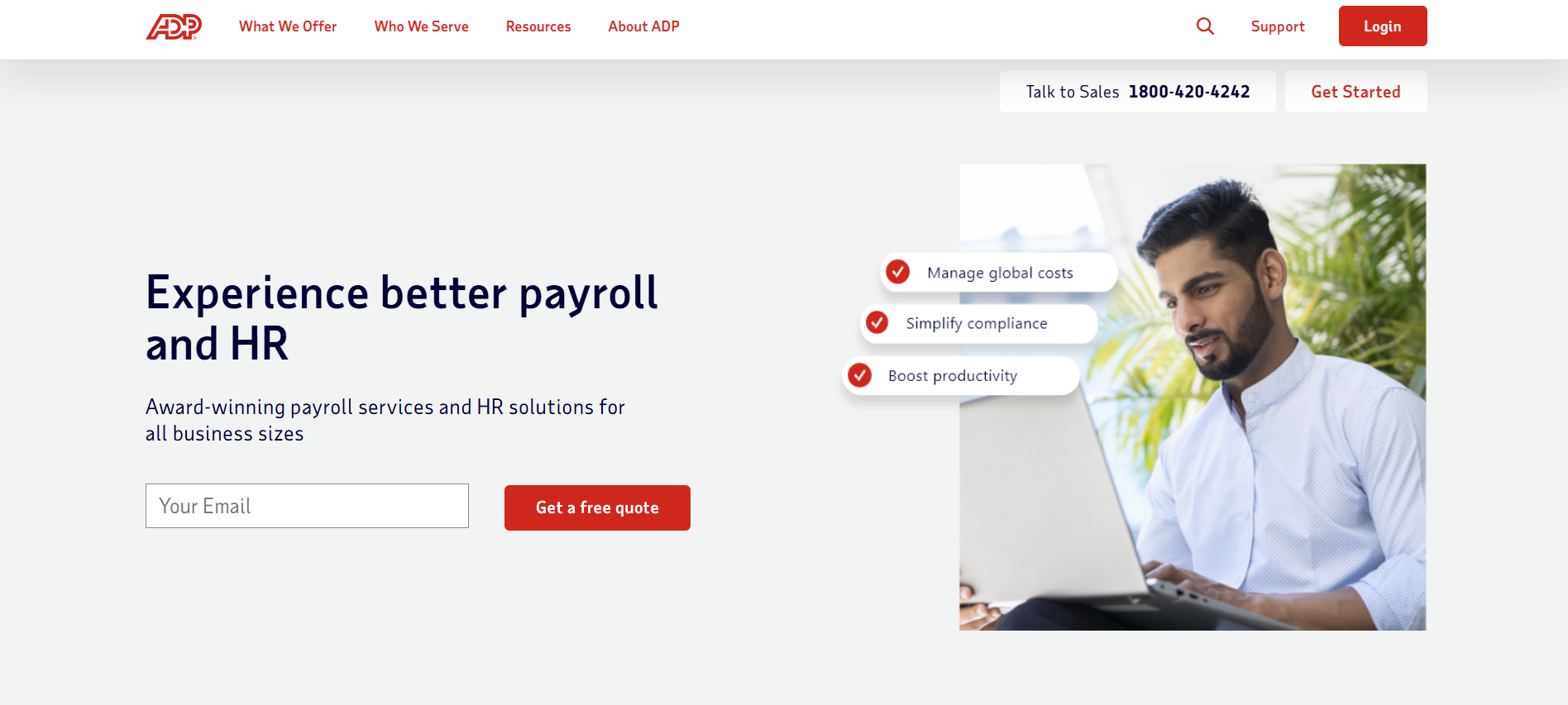
- Best for: Large enterprises with complex compliance needs.
- Why it stands out: ADP offers enterprise‑level onboarding with strong compliance management, audit trails, and integration with payroll and HR services, especially valuable for regulated industries.
- Ideal use case: Companies needing security, compliance, and regulatory oversight built into onboarding.
Key Features:
- Seamless integration with ADP’s HR and payroll systems
- Automated compliance training and document tracking
- E‑signature capabilities for easy document management
- Role-specific onboarding paths and tasks
- Comprehensive reporting and analytics on new hires
9. Workday
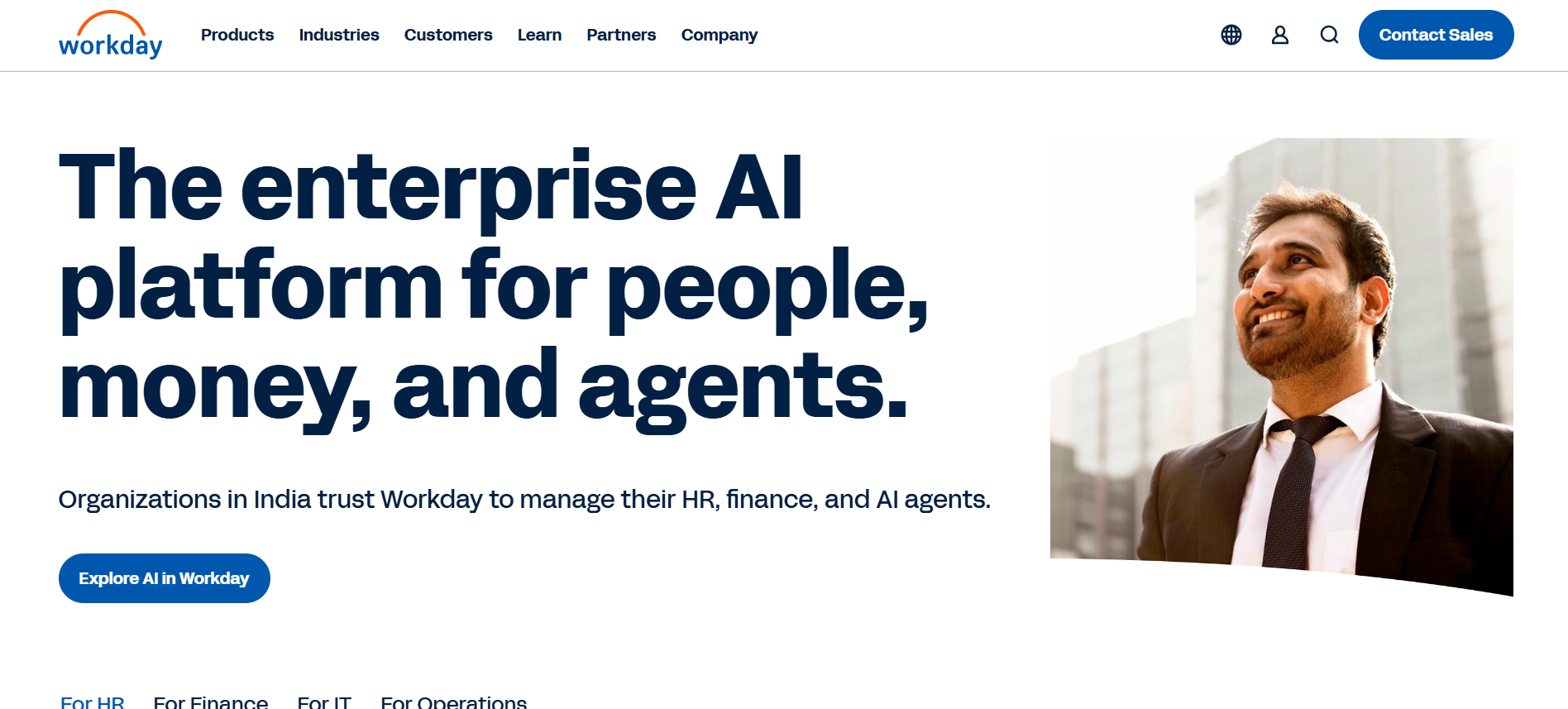
- Best for: Global enterprises that need onboarding tightly connected to HR, talent, and performance management.
- Why it stands out: As a full HCM platform, Workday’s onboarding tools integrate deeply with employee records, benefits, and performance tracking, giving HR teams one source of truth for all employee data.
- Ideal use case: Organizations with multi‑module needs across HR, finance, and talent.
Key Features:
- Fully integrated HR, talent, and payroll management
- Customizable onboarding workflows tailored to different teams
- Seamless data flow between onboarding and performance management systems
- Mobile access to onboarding tasks and documents
- Real‑time progress tracking and reporting
Having reviewed the top onboarding tools for 2026, it’s now time to explore how these platforms can directly enhance key HR performance metrics and drive measurable results.
Also Read: Best Employee App for Workforce Communication in 2025
How Onboarding Software Improves HR KPIs
Employee onboarding software plays a crucial role in enhancing several HR key performance indicators (KPIs). Automating tasks and optimizing processes helps HR teams improve efficiency, engagement, and retention, leading to better overall business outcomes.
- Reduces Time-to-Productivity: Onboarding software accelerates the process by automating tasks such as document submission and training. This allows new hires to contribute faster and perform in their roles sooner.
- Increases New Hire Retention: Engaging and interactive onboarding processes make new hires feel welcomed and valued from day one. This leads to higher retention rates, as employees are more likely to stay with the company long-term.
- Enhances Employee Engagement: By providing personalized and real-time communication, onboarding software keeps employees engaged and connected throughout their onboarding journey, boosting job satisfaction and productivity.
- Streamlines Compliance & Reduces Risk: Onboarding software automates compliance training and document management, ensuring that all necessary steps are completed on time and reducing legal risks associated with missed or incomplete compliance tasks.
- Improves HR Operational Efficiency: By automating administrative tasks, onboarding software frees up HR teams to focus on more strategic work, resulting in increased efficiency and reduced time spent on manual processes.
- Provides Actionable Data & Analytics: Real-time data on task completion, employee engagement, and satisfaction provides HR teams with actionable insights, enabling continuous improvement of the onboarding process.
- Improves Learning & Development Metrics: Onboarding software integrates seamlessly with training tools, ensuring that new hires learn quickly and effectively. This improves learning and development metrics and enhances overall employee performance.
As you understand how onboarding software directly impacts key HR KPIs, it’s equally important to ensure successful implementation. Here are the best practices HR leaders should follow to maximize the software’s potential and drive meaningful results.
Also Read: How to Simplify Incident Reporting with SMS Communication
Implementation Best Practices for HR Leaders
Successfully implementing onboarding software requires thoughtful planning and execution to ensure it delivers maximum value. HR leaders must consider key steps to streamline the process, reduce friction, and drive long-term results. Here are the best practices to follow when rolling out onboarding software:
- Map Your Current Onboarding Process: Before adopting new software, assess your current onboarding process. Identify gaps, bottlenecks, and areas where automation can add value. Understanding where improvements are needed will help you configure the software to address those pain points effectively.
- Choose the Right Platform for Your Needs: Not all onboarding software is created equal. Select a platform that aligns with your company’s size, industry, and specific needs. Consider features like customizable workflows, mobile support, and integration capabilities with your existing HR tools to ensure a seamless experience.
- Plan for Data Migration and Integration: Make sure that the data migration process is smooth and well-organized. Onboarding software needs to integrate with your existing HRIS, payroll, and learning management systems. HR leaders should collaborate with IT to ensure data consistency and seamless flow across platforms.
- Train HR Teams and Key Stakeholders: Even though onboarding software simplifies the process, proper training is essential. Ensure HR teams and managers are fully trained on how to use the software and understand its key functionalities. Empower them to troubleshoot issues and make the most out of the system’s features.
- Start with a Pilot Program: Rather than launching the software for all employees at once, start with a pilot program. This allows you to test the system’s effectiveness, gather feedback, and make adjustments before rolling it out company-wide. It also gives HR teams a chance to fine-tune processes.
- Monitor Progress and Collect Feedback: Once the system is live, it’s crucial to track progress and gather feedback from both HR teams and new hires. Regularly check analytics, monitor onboarding completion rates, and assess employee satisfaction with the process. This will help you identify areas for improvement.
Conclusion
Choosing the right employee onboarding software is more than just a technology decision; it’s a strategic move that directly impacts your company’s employee engagement, retention, and overall efficiency. As the workforce continues to evolve, especially with more mobile, remote, and frontline workers, it’s essential to invest in onboarding solutions that can streamline processes, enhance new hire experiences, and drive productivity from day one.
By utilizing the right tools, like Udext, companies improve the onboarding process but also build a stronger, more engaged workforce. Whether you are managing a team of frontline workers or office-based staff, the best onboarding software will reduce time-to-productivity, boost employee retention, and ensure that every new hire feels connected, informed, and ready to succeed.
In 2026, the companies that thrive will be the ones that recognize the power of efficient, data-driven onboarding. Start today by choosing a platform that aligns with your team’s needs, integrates with your HR tech stack, and creates a personalized, impactful experience for your new hires.
FAQs
1. Why does onboarding feel so messy and fragmented in many organizations?
Many HR leaders find onboarding messy because it involves dozens of dependent steps across HR, IT, payroll, managers, and systems that often don’t communicate with each other, which creates delays and inefficiencies unless a unified onboarding platform is in place.
2. How can HR reduce the burnout caused by manual onboarding tasks?
Some HR professionals report burnout from managing 10+ manual steps like paperwork, provisioning, emails, device coordination, and tracking, leading them to seek automated onboarding systems that reduce repetitive tasks and eliminate manual follow‑ups.
3. What does an ideal onboarding process look like from the perspective of managers?
Managers often aim for onboarding that prioritizes clarity, context, and early productivity, starting with role expectations, key contacts, and a small piece of real work, rather than overwhelming newcomers with information all at once.
4. How do companies coordinate onboarding responsibilities between HR and other departments?
HR teams frequently ask how best to coordinate onboarding tasks, particularly handoffs to IT or managers, so equipment requests, system access, and role‑specific setup happen without HR having to chase multiple stakeholders.
5. How can HR ensure new hires actually complete onboarding tasks on time?
HR often struggles with new hires not finishing required onboarding steps (like submitting documents or completing training). A common challenge is establishing clear accountability, timely reminders, and visibility into progress so that tasks aren’t left incomplete after the first few days.
Need to improve your internal comms? Take a look at Udext!
"Out of the box, Udext has everything you need to elevate your internal communication. It’s incredibly easy to set up and use, with a straightforward interface and great customer support"
John D.
Director of HR at Apex Manufacturing