
.svg)
SMS Solutions For Urgent Alerts in Manufacturing For 2026


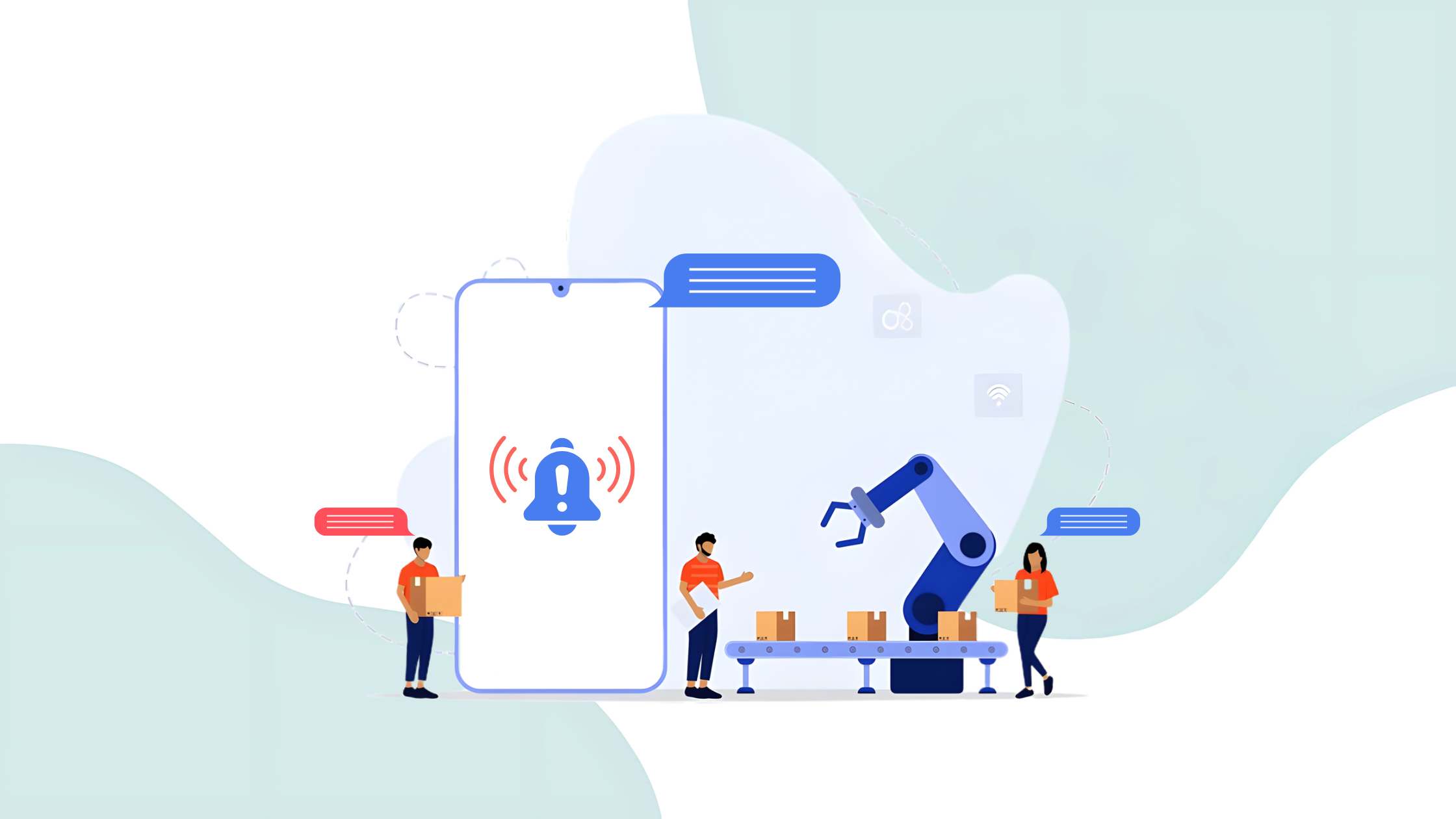
SMS solutions for urgent alerts in manufacturing facilities are designed to reach frontline workers quickly when safety, maintenance, or operations are affected. These systems allow manufacturers to send time-sensitive alerts directly to workers' mobile devices, without relying on email, apps, or supervisor relay.
This approach matters because a large portion of manufacturing teams are non-desk employees. In fact, 83% of non-desk workers lack regular access to company email, according to a Forbes report. When alerts depend on inboxes or shared systems, critical updates are often delayed or missed.
During equipment failures, safety incidents, or severe weather disruptions, communication speed becomes the deciding factor. The challenge is not writing the alert. It is making sure the right people receive it immediately and know what action to take.
Quick Glance
- Alerts reach workers within seconds, even during night shifts or off-hours, when email, PA systems, and supervisor relays often fail.
- Two-way responses confirm who received and understood the alert, replacing assumptions with visibility when follow-up matters.
- Role- and location-based targeting ensures only affected teams are alerted, reducing unnecessary disruption across the plant.
- Automatic language translation helps diverse workforces understand instructions quickly during safety or operational incidents.
- Consistent delivery creates confidence that alerts will arrive and guide action during real disruptions, not just routine updates.
What Is an SMS Alert Solution for Manufacturing?
An SMS alert solution for manufacturing is not simply a way to send text messages. It is a controlled communication system designed to manage urgent alerts across large, distributed workforces where timing, accountability, and coordination matter.
Unlike basic texting, an SMS alert solution lets you define who should receive alerts, how messages are triggered, and how responses are tracked. Alerts can be targeted by role, shift, or location, and confirmations help you see who has received and acknowledged critical instructions.
This structure allows manufacturers to move beyond one-off messages and rely on a repeatable, auditable alert process during safety incidents, maintenance disruptions, or operational interruptions.
Note: Value-added SMS alerts go beyond simple texts by providing features like delivery confirmation, automated responses, and integration with safety systems, ensuring urgent messages are acknowledged and acted upon promptly.
Why SMS Works Better Than Traditional Alert Systems
SMS works because it fits the realities of frontline manufacturing work. Your alerts land directly on personal devices, without relying on logins, apps, or shared terminals. There is nothing new for your employees to learn or download, which removes the delay at the exact moment speed matters.
In manufacturing environments, many non-desk workers do not rely on email during their shifts. SMS bypasses that limitation and cuts through physical noise and digital friction, delivering urgent messages to your teams within seconds rather than minutes.
Why this matters on your shop floor:
- Messages appear instantly on personal phones, even during off-shift hours
- No apps, passwords, or training slow down delivery
- Alerts reach employees across locations and shift schedules
- Faster delivery improves response when incidents escalate
This is why SMS remains the most dependable channel for urgent alerts in manufacturing facilities.
Struggling with poor communication or delayed information? Udext's SMS tools are designed for quick, clear updates and real-time feedback. Start solving these challenges today.
Why Manufacturing Alerts Break Down When Timing Matters
Manufacturing environments introduce challenges that office-based tools cannot handle. When incidents occur, the tools you rely on often fail in predictable ways.
Common breakdowns include:
- PA systems, going unheard on loud shop floors or across multiple buildings.
- Email alerts missing workers who do not have regular inbox access.
- Internal apps are breaking down due to login, update, or connectivity issues.
- Manual call trees slow response when minutes matter.
- Shift changes create gaps, especially during nights and weekends.
Ditch outdated PA systems, and email chains generally fail when seconds count. The result is delayed action, avoidable safety exposure, and operational disruption that extends beyond the original incident.
{{see-udext="https://www.udext.com/symbols"}}
What Turns a Manufacturing Update Into an Urgent Alert
Urgent alerts are not routine updates. They require your immediate attention and quick action.
In manufacturing, these situations often include:
- Equipment breakdowns or production line stoppages that disrupt operations.
- Safety incidents or near misses that put people at risk.
- Power outages or severe weather that affect access or continuity.
- Evacuation notices that demand instant response.
- Shift cancelations or emergency overtime that require fast coordination.
In moments like these, delivery alone is not enough. You must be sure that your messages reach and are confirmed by the intended recipients.
What to Look for in SMS Alert Solutions for Manufacturing
Not every SMS tool works in urgent manufacturing situations. Many are built for customer messages or basic notifications, not for safety-critical communication across loud floors, rotating shifts, and multiple facilities. The weaknesses become clear as incidents rise and delays increase.
When you review SMS alert tools, focus on how well they perform under pressure, not how many features they list.
Key capabilities that separate basic SMS tools from alert-ready systems include:
1. Speed and Delivery at Scale
Your alerts must go out immediately and reach large groups at once via scalable SMS gateways that balance traffic across multiple servers and carriers, making sure delivery even during nights, weekends, or peak activity.
2. Two-way Confirmation and Responses
One-way alerts leave you guessing. Workers need a clear way to confirm receipt or report issues so you know who still needs attention.
3. Group, Role, and Location Targeting
Alerts should reach only the people affected. Sending everything to everyone creates confusion and slows the response.
4. Multi-language Message Delivery
In diverse teams, clear instructions matter. Automatic translation uses AI-powered tools that detect context and technical terminology to accurately convert messages into multiple languages, making sure clear instructions and reducing misunderstandings during high-risk moments.
5. Pre-built Alert Templates and Automation
During incidents, you should not be writing messages from scratch. Ready templates help teams act faster and avoid errors.
6. Delivery and Response Tracking
You need visibility into who received alerts, who replied, and how quickly actions followed, especially after incidents are reviewed.
This is where SMS alert tools stop being simple messaging systems and start playing a real role in day-to-day safety operations.
Note: To set up text alerts for your business, start by choosing an SMS alert platform built for urgent manufacturing needs. Define recipient groups by role and location, create templates for common scenarios, and test delivery and confirmation so alerts hold up during real emergencies.
Also Read: 10 Tips to Establish Successful Communication Coordination Within Your Teams
Alert Methods That You Need to Know in Manufacturing
When something goes wrong on the shop floor, how you send an alert matters as much as what the alert says. Manufacturing teams often rely on a mix of tools, some built for offices, others added over time to fill gaps. Under normal conditions, they may seem workable. Under pressure, their limits show quickly.
To choose the right approach for urgent situations, you need to understand how different alert methods perform when noise levels are high, shifts are rotating, and response time is tight. The differences become clear when speed, reach, and confirmation are no longer optional.
This comparison highlights why SMS remains the most dependable option for urgent manufacturing alerts. But choosing the right channel is only part of the equation. Many breakdowns happen because of how alerts are used in real situations, especially when long-standing habits take over under pressure.
Common Mistakes Manufacturers Make With Emergency Alerts
Emergency alerts often fail not because you or your teams are careless, but because long-standing habits break under pressure. In fast-moving situations, small communication gaps can quickly turn into safety risks, delays, and confusion across your plant.
The most common issues you're likely to encounter include:
- One-way alerts with no confirmation: Messages go out, but you have no clear view of who received them or who still needs follow-up.
- Over-alerting across sites or roles: Sending the same message to everyone creates uncertainty and slows response as workers try to decide whether the alert applies to them.
- Relying on email during urgent situations: Email is rarely checked on the shop floor, especially during active shifts or high-noise operations.
- No post-incident review: Delivery and response data are ignored once the situation ends, allowing the same gaps to repeat during future incidents.
These issues often stay hidden until a real emergency exposes them, when clarity and speed matter most.
Also Read: How to Improve Communication Between Departments
4 Common Situations Where SMS Alerts Make a Real Difference
Manufacturing emergencies rarely follow a single pattern. An alert that works in one situation can fail in another if it does not match the urgency, audience, or required response. This is where SMS alerts matter, because they let you send clear, situation-specific messages the moment conditions change.
1. Safety incidents: Equipment malfunctions, chemical exposure, or injuries require immediate instructions so your teams can act quickly and limit risk.
2. Environmental hazards: Fires, gas leaks, or flooding demand fast evacuation or shelter-in-place messages that reach everyone at once.
3. Equipment failures: Line stoppages or critical breakdowns call for coordinated alerts to maintenance, supervisors, and operations teams.
4. External disruptions: Severe weather, power outages, or community emergencies affect staffing, access, and shift schedules and require rapid updates.
Each situation calls for a different message and follow-up. A shelter-in-place alert during a chemical spill is not the same as a shift cancelation due to weather. SMS supports both without forcing you to switch tools or rely on systems your workers may not be checking.
How Udext Supports Your Urgent Alerts in Manufacturing
Udext supports urgent alerts by acting as a dependable communication layer for manufacturing teams, built for frontline environments where speed, clarity, and confirmation matter. Instead of adding another app or workflow, Udext delivers alerts through SMS, the one channel employees already use and trust.
How Udext supports your critical alerting at scale:
- Instant SMS alert broadcasting: Send urgent messages to your entire plants or targeted teams within seconds, even during shift changes or off-hours.
- Two-way responses and incident reporting: Employees can confirm receipt, report hazards, or request help directly by text, giving leaders like you real-time visibility.
- Targeted alerts by role or location: Alerts reach only to your affected workers, reducing confusion and preventing alert fatigue across sites.
- Multi-language delivery at scale: Messages translate automatically, helping you to make sure that instructions are understood across diverse workforces.
Together, these capabilities help your HR, safety, and operations teams deliver clear, accountable communication when every minute counts. HR pros in mfg, construction, and healthcare trust Udext for effortless comms across mobile workforces.
Book a demo to see how Udext supports urgent manufacturing alerts without relying on apps or email.
{{keep-everyone="https://www.udext.com/symbols"}}
Closing Thoughts
When urgent situations hit your facility, uncertainty is the last thing you can afford. Alerts need to reach the right people right away, with clear direction and a way to confirm action. Tools that depend on email, apps, or manual follow-ups tend to break down when pressure is highest.
SMS solutions for urgent alerts in manufacturing facilities continue to work because they fit how your workforce actually operates. Messages show up where your teams already look, without extra steps or delays. When alerts arrive on time, and responses are visible, decisions get easier, and your response stays coordinated.
Platforms like Udext are built around this reality, helping you run urgent communication through a channel your frontline teams already trust. With the right SMS alert approach in place, you reduce guesswork, protect your people, and keep operations moving when it matters most. Book a demo today to see how Udext can keep your workforce informed and make sure that no critical messages are missed.
FAQs
1. How fast do SMS alerts reach factory workers?
SMS alerts usually reach your workers within seconds, even when they are off shift or spread across multiple facilities. Because messages land directly on personal phones, delivery does not depend on email access, shared terminals, or app logins, which helps you act faster during urgent situations.
2. Should urgent SMS alerts always require employee confirmation?
Yes, confirmation matters in urgent situations. Read receipts or reply-based acknowledgments show who received the alert and who still needs follow-up, reducing guesswork during incidents.
3. How do you avoid alert fatigue when using SMS for urgent situations?
You avoid alert fatigue by reserving SMS strictly for time-sensitive events. When employees know SMS signals urgency, they pay attention and respond faster instead of tuning messages out.
4. How can we make sure communication reaches employees who speak different languages or are from diverse backgrounds?
Use tools that support multi‑language messaging and translation. It makes sure every team member, regardless of language or background, can receive updates, feedback requests, and alerts in their preferred language, making engagement truly inclusive.
5. How do SMS alerts help during safety audits or post-incident reviews?
SMS alert systems record delivery times and responses. This data helps you review what worked, identify gaps, and demonstrate that safety communication reached the right people.
6. How do you set up an emergency alert system for manufacturing workers?
You start by choosing an SMS-based alert system built for frontline teams, not office communication. Define alert groups by role and location, prepare clear templates for common emergency scenarios, and decide how confirmations and follow-ups will work. Before relying on the system, test message delivery and response tracking during different shifts to make sure alerts hold up under real conditions.
Need to improve your internal comms? Take a look at Udext!
"Out of the box, Udext has everything you need to elevate your internal communication. It’s incredibly easy to set up and use, with a straightforward interface and great customer support"
John D.
Director of HR at Apex Manufacturing



.jpeg)


